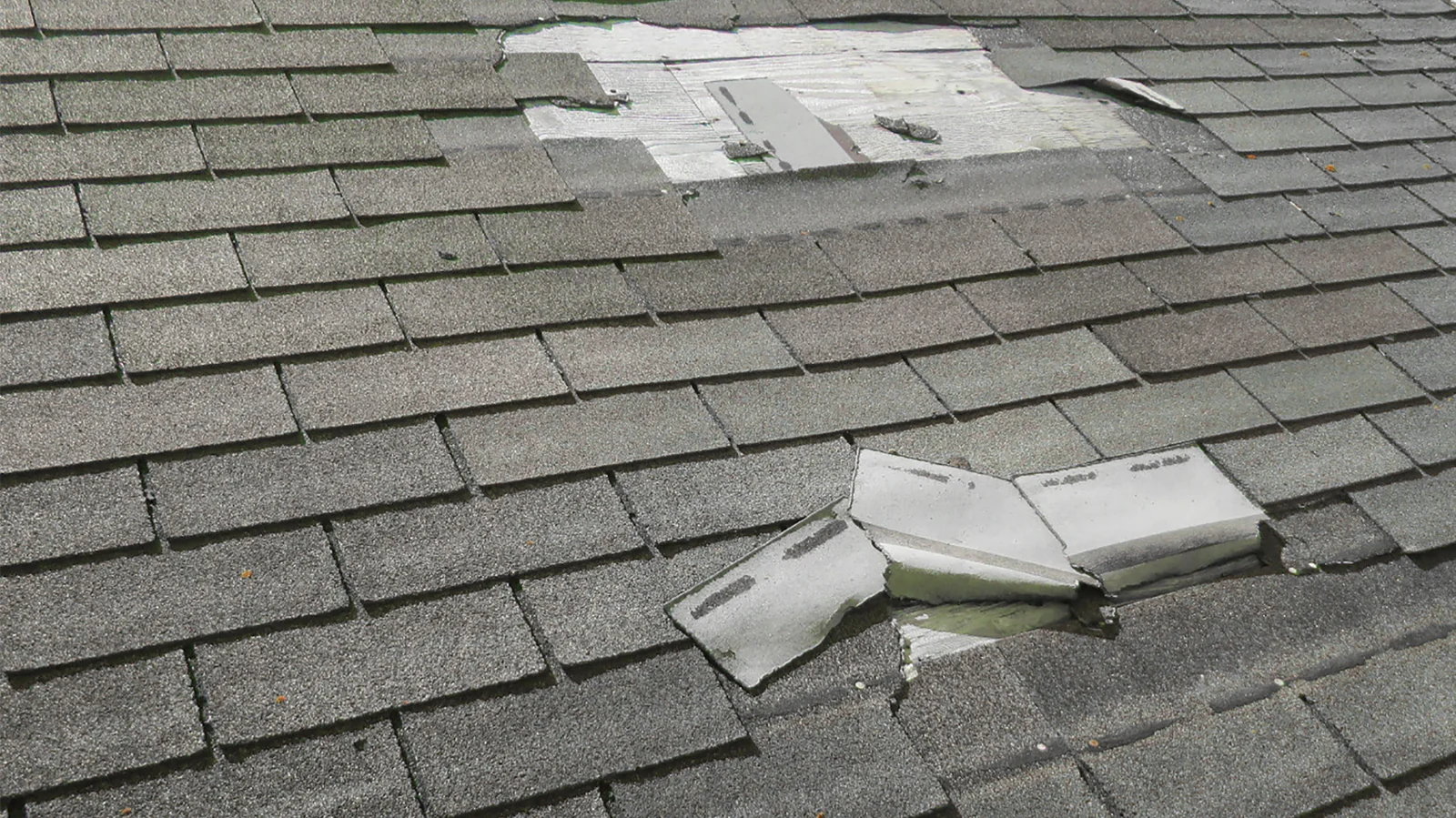
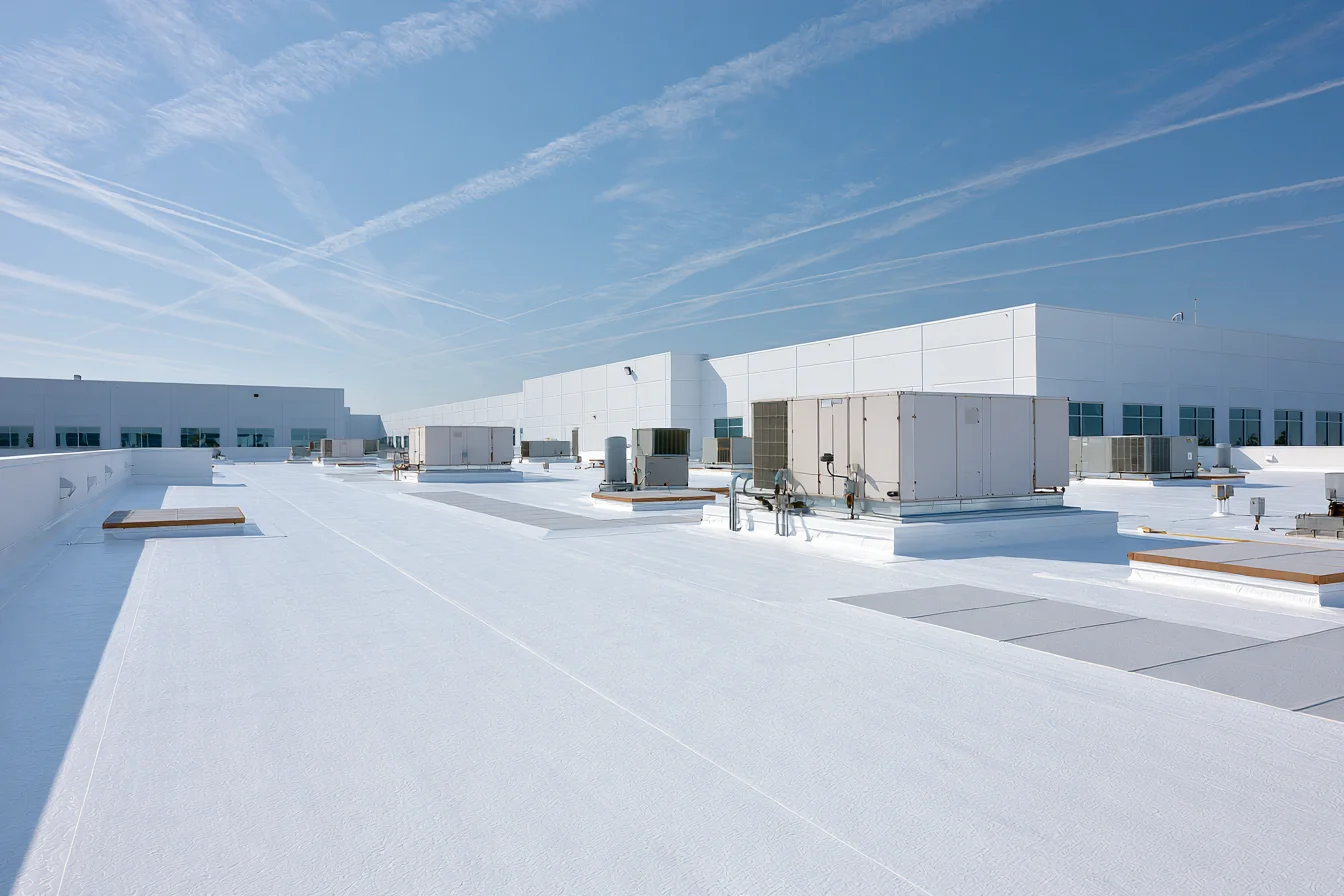
Describe the existing roof and the reason for the work
A leak, an aging assembly, a tenant project and a planned expansion can lead to very different scopes. Roof records, prior repairs and an assessment help establish the system already on the building, including insulation, deck and drainage.
The directory's system and service information helps narrow the list. A company that installs standing-seam metal is not automatically the best match for a membrane repair, while a maintenance specialist may offer useful options for a roof that does not need replacement.
Evaluate the whole assembly before a retrofit
A coating or recover needs a suitable existing roof. Substrate condition, compatibility, moisture, attachment and details need assessment before a new surface is proposed. Adding another layer does not remove a concealed wet or deteriorated component.
Replacement decisions should be equally clear. The proposal should identify removal, supporting work, insulation, attachment, drains and penetrations, with a defined process for concealed conditions. The building's actual condition supplies the reason for the choice.
The operating plan is part of the roofing plan
Occupied space, deliveries, tenant access and rooftop equipment influence sequencing. A property manager needs to know where work will occur, how openings will be protected and which other trades must coordinate. A blanket promise of no interruption is less useful than a specific plan.
Multi-building owners also benefit from comparable roof records. A priority list can distinguish an active leak from planned capital work, keeping one roof's immediate problem from being lost inside an average portfolio condition.
Keep jurisdiction and maintenance connected to the property
Kansas registration and local requirements must be considered for Kansas work, while Missouri projects need their own applicable local review. The contractor's office address does not settle those questions. A commercial label or directory badge does not replace the actual credential scope.
After the job, retain the roof map, system information, photographs, repairs and warranty documents. A maintenance provider can then build on the record, watch recurring details and coordinate future equipment or tenant work without starting from a blank page.
Further reading
Common questions
What should I tell a commercial roofer first?
The property location, building use, existing roof information if available and the problem or planned work. That gives the assessment a useful starting point.
Does every roof need replacement when it begins leaking?
No. A localized defect, an appropriate restoration or a larger replacement require different conditions. The assessment should explain which option fits the assembly.
Can one contractor maintain several properties?
Potentially, when its actual coverage and system capabilities fit each property. Keep separate roof records, scopes and jurisdiction checks for each site.
Find companies for the work.
Explore actual roofing services, business details and Google review totals in the directory.
Browse roofing companies