Treat immediate hazards as their own problem
Downed electrical lines, fallen trees, unstable materials or structural damage can make parts of the property unsafe. The appropriate utility or emergency service should handle immediate hazards. A wet or damaged roof is not a safe place for an owner to investigate.
A roofing company can assess temporary protection when conditions allow. Tarping and other temporary work have a boundary and a purpose: reduce further exposure while the permanent scope is determined. The invoice or agreement should identify that work separately.
Document components, not only a general storm claim
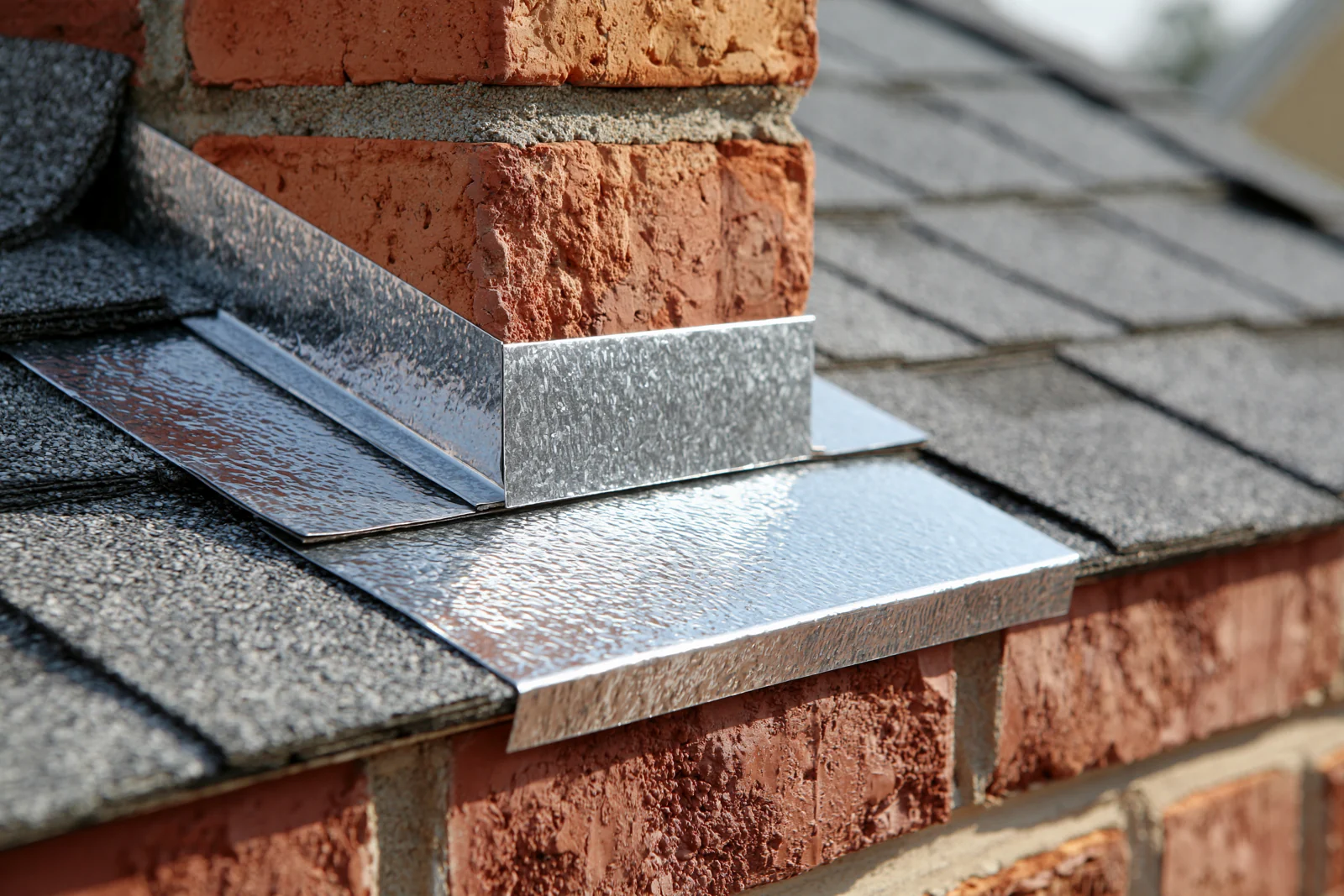
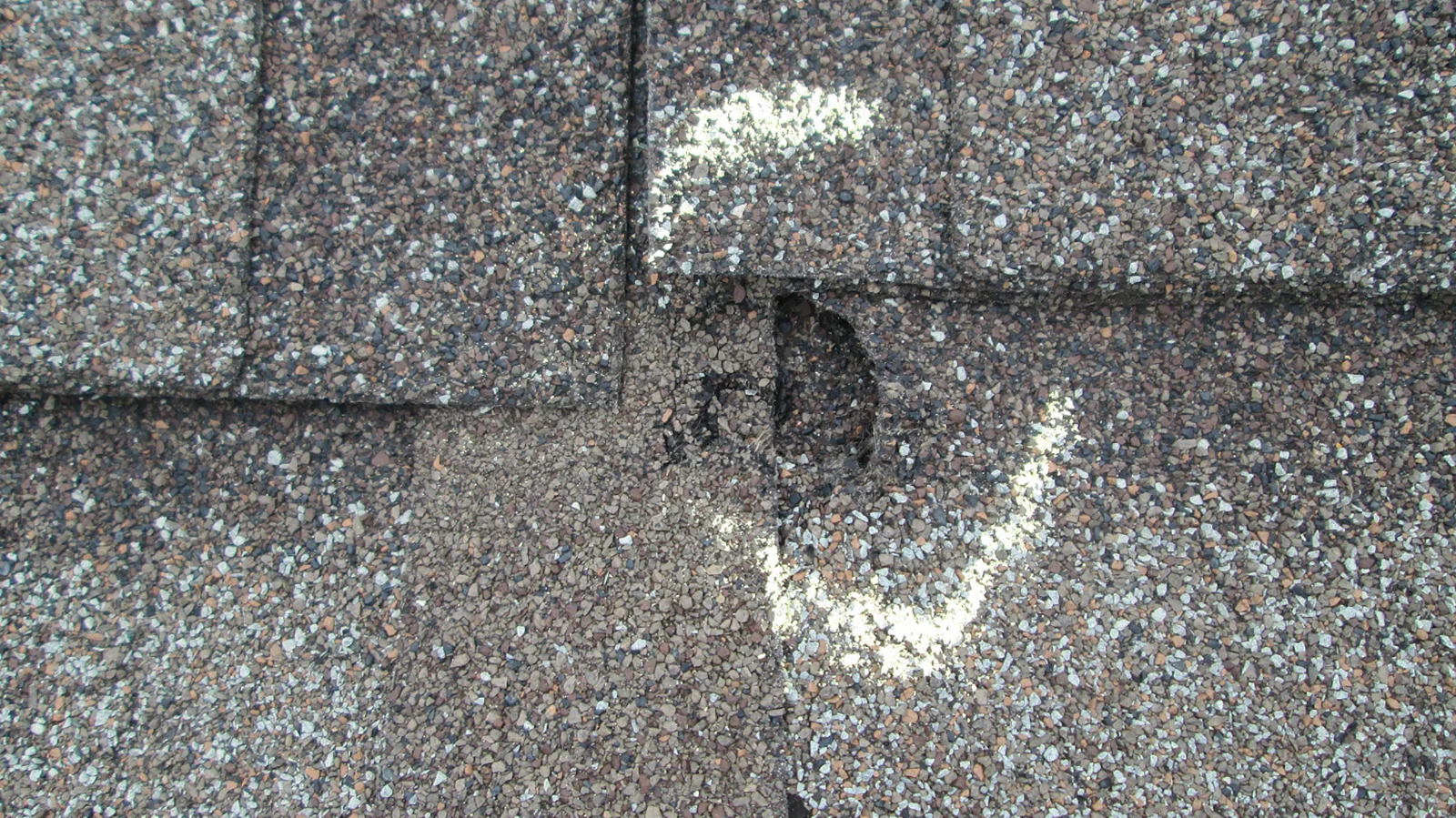
An inspection should connect photos and observations to specific roof areas and details. Covering, flashing, penetrations, edges and supporting materials may be involved. A broad neighborhood weather report does not establish which of those components is damaged at a particular address.
Collateral damage can help tell the event's story, but each item still needs its own assessment. A dent on one material and a mark on another are not automatically the same kind of functional roof damage.
Distinguish the damaged area from the surrounding roof
A useful repair plan considers the sound material needed to receive it. Deterioration, an incompatible detail or concealed damage can change the practical boundary. That is a reason to explain the scope, not to assume an entire roof must be replaced in every case.
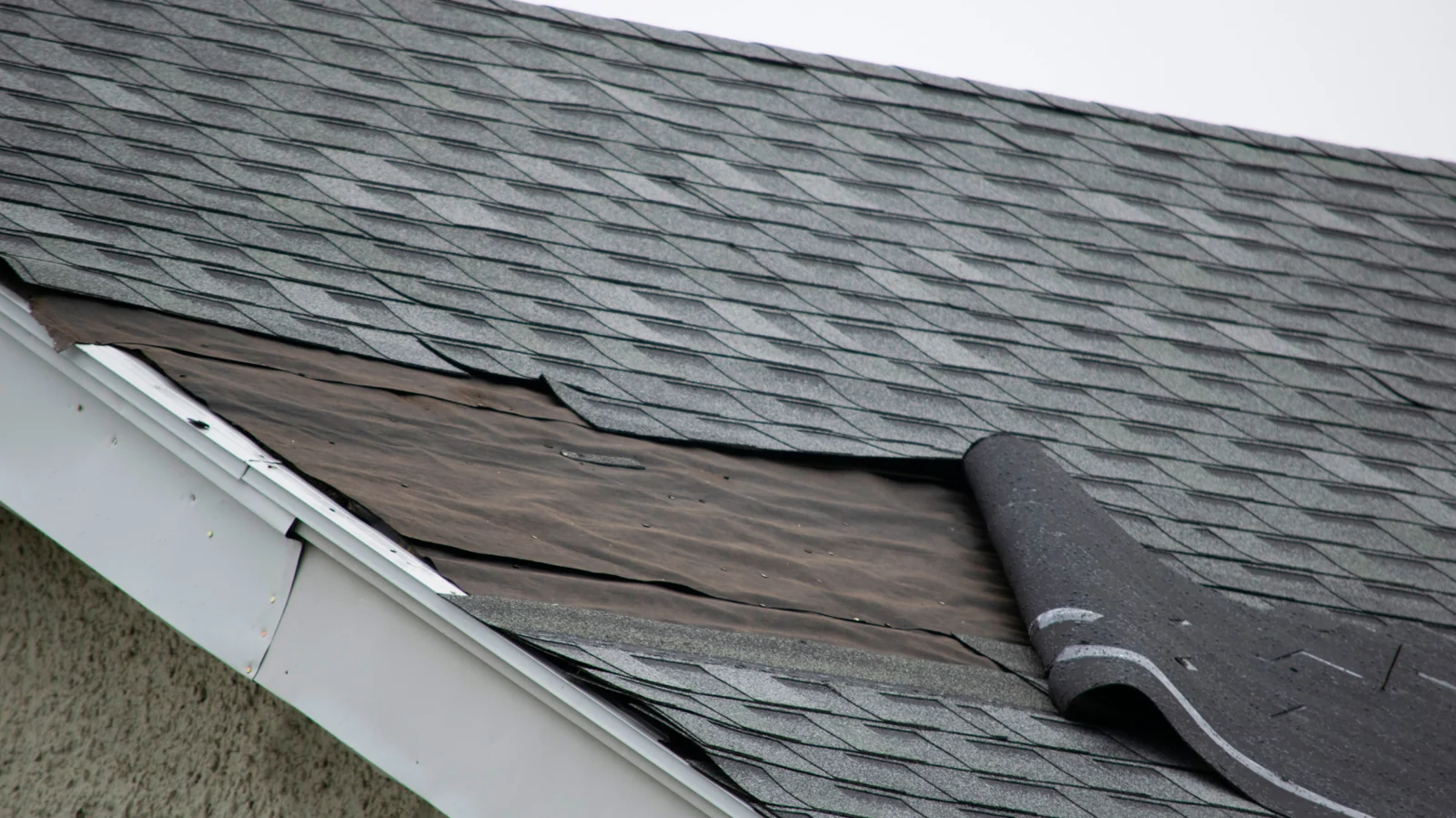
Wind can affect the connections holding coverings and roof details in place. A permanent proposal should account for the relevant assembly and installation details, rather than simply putting a new visible piece over an unresolved opening.
Keep the claim decision and the building work clear
The contractor evaluates conditions and proposes construction. The insurer applies the policy to the claim. Those roles should remain distinct, including when photos, measurements or a revised scope are exchanged.
The property city and state matter to the applicable business and contract requirements. A company traveling across the metro should describe its coverage accurately and meet the requirements for the actual job. The written proposal should still make materials, allowances, payment responsibilities and changes understandable without a promised claim outcome.
Further reading
Common questions
Does hail in my neighborhood prove roof damage?
No. Weather observations establish an event in a place and time. An assessment of the actual roof is needed to identify damage and useful work.
Will a tarp solve the roof problem?
It is temporary protection, not a substitute for the permanent repair or replacement scope. Its purpose and limits should be explained.
Who decides whether insurance covers the roof?
The insurer evaluates coverage under the policy. The contractor's role is to document the condition and explain the proposed construction work.
Find companies for the work.
Explore actual roofing services, business details and Google review totals in the directory.
Browse roofing companies